
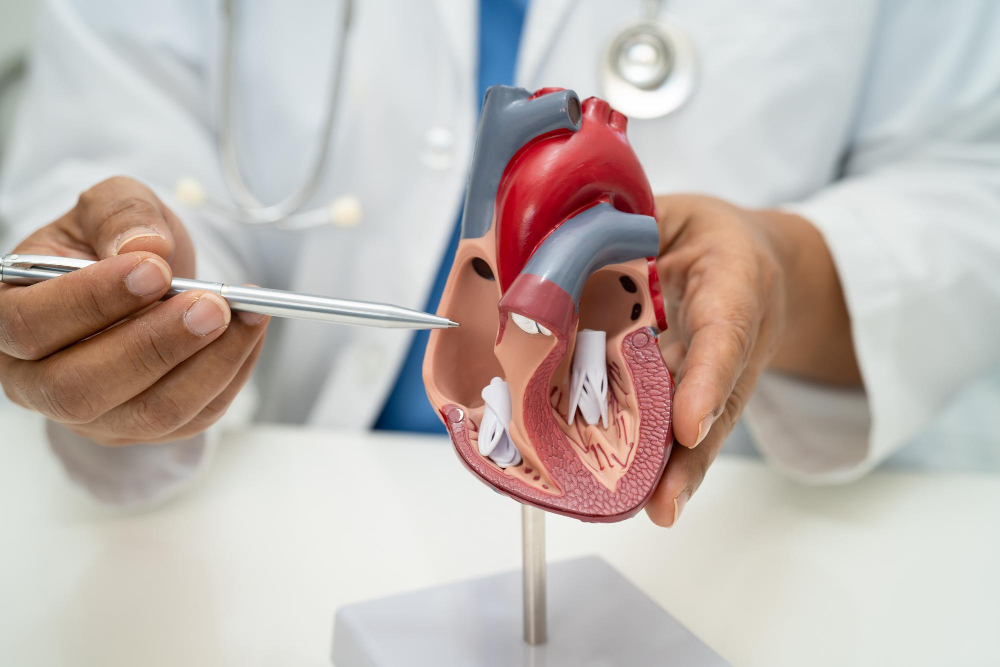
What is Coronary Angioplasty?
Coronary angioplasty is a minimally invasive heart treatment. Doctors use it to open blocked or narrowed blood vessels in the heart. These vessels, called arteries, supply blood to your heart muscle. When they get blocked, your heart cannot get enough oxygen. As a result, you may feel chest pain or even have a heart attack. Coronary angioplasty helps restore blood flow quickly. This heart stent procedure is common and can save lives.
Symptoms and Conditions Leading to Angioplasty
Many people need angioplasty because their arteries are blocked by fatty deposits. These blockages can cause several symptoms. For example, you may notice:
Sometimes, a heart attack is the first sign. In such cases, doctors may suggest angioplasty right away. Other times, tests like an ECG or stress test show a problem. If medicines do not help, your doctor may recommend this procedure.
How is Coronary Angioplasty Performed?
First, doctors give you medicine to help you relax. Then, they make a small cut, usually in your wrist or groin. Next, a thin tube called a catheter is guided to your heart. Through this tube, a tiny balloon is placed at the blocked spot. The balloon is gently inflated. This opens the artery and improves blood flow. Often, a small wire mesh tube called a stent is left in place. The stent keeps the artery open. The whole heart stent procedure usually takes one to two hours. Most people stay awake but comfortable during the process.
Benefits and Risks of Coronary Angioplasty
Coronary angioplasty offers many benefits. For instance, it can:
However, like any procedure, there are some risks. These may include:
Still, most people have a safe and smooth recovery. Your doctor will discuss your personal risks before the procedure.
Recovery and Aftercare Tips
After angioplasty, you may stay in the hospital for a day or two. During this time, nurses will check your heart and the insertion site. Once home, follow these recovery tips:
If you notice chest pain, shortness of breath, or bleeding, call your doctor right away. With proper care, most people return to normal life within a week.
Prevention and Heart-Healthy Lifestyle Guidance
Even after a successful angioplasty, it is important to protect your heart. Therefore, try these heart-healthy habits:
Additionally, regular check-ups help track your heart health. By making these changes, you can lower your risk of future heart problems.
In summary, coronary angioplasty is a safe and effective way to treat blocked heart arteries. It can relieve symptoms and help you live a healthier life. For more details about angioplasty in your area, or to know if this heart stent procedure is right for you, consult a cardiologist for personalized advice about coronary angioplasty.