
What Is an ECG Test?
An ECG test, also called an electrocardiogram, is a simple and safe way to check your heart. Doctors use it to record the electrical signals in your heart. Because it is quick and painless, many people have this heart health test during routine checkups. The ECG test helps doctors spot problems early, making it an important tool for heart care.
Why Is an ECG Test Done?
Doctors may suggest an ECG test for several reasons. For example, you might have symptoms that could point to a heart issue. Sometimes, an ECG is part of a regular health check, especially if you have risk factors for heart disease. In addition, doctors use ECGs to monitor ongoing heart conditions or check how treatments are working.
How Does an ECG Test Work?
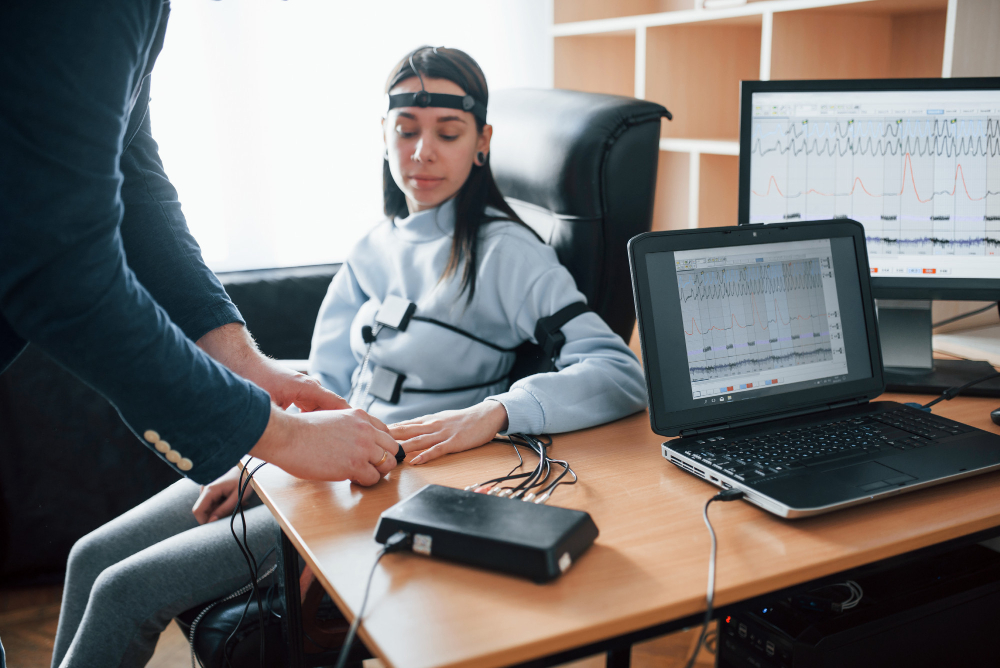
During an ECG test, small sticky pads called electrodes are placed on your chest, arms, and legs. These pads pick up the electrical signals your heart makes as it beats. Then, a machine records these signals as lines on a graph. Because the test is non-invasive, it does not hurt. The whole process usually takes less than 10 minutes.
What Can an ECG Test Reveal About Your Heart?
ECG results meaning can be simple or complex, but they always give doctors important clues. For instance, an ECG can show if your heart beats too fast, too slow, or in an uneven way. It can also reveal signs of a past or current heart attack. Sometimes, it helps spot changes caused by heart disease or problems with your heart’s structure.
Common Heart Conditions Detected by ECG
Because the ECG test is so useful, it helps doctors find many heart problems. According to the World Health Organization (WHO), heart disease is a leading cause of illness worldwide. Early detection with an ECG can make a big difference. Here are some common conditions an ECG can help detect:
Preparing for an ECG Test
Getting ready for an ECG test is easy. Most people do not need to do anything special. However, there are a few tips that can help the test go smoothly. For example, wearing loose clothing makes it easier to place the electrodes. Also, avoid using lotions or oils on your skin before the test, as they can stop the pads from sticking well.
What to Expect During and After the Test
When you arrive for your ECG test, a nurse or technician will explain the steps. First, you will lie down on a table. Next, they will place the electrodes on your skin. Because the test is quick, you will not need to wait long. After the test, you can return to your normal activities right away. In most cases, your doctor will review the results and explain what they mean.
Limitations of an ECG Test
Even though an ECG test is very helpful, it does have limits. Sometimes, heart problems do not show up during the test, especially if they come and go. In those cases, your doctor may suggest more tests, like a Holter monitor or an exercise ECG. Also, an ECG cannot show all types of heart disease. For this reason, doctors use it along with other heart health tests to get a full picture.