
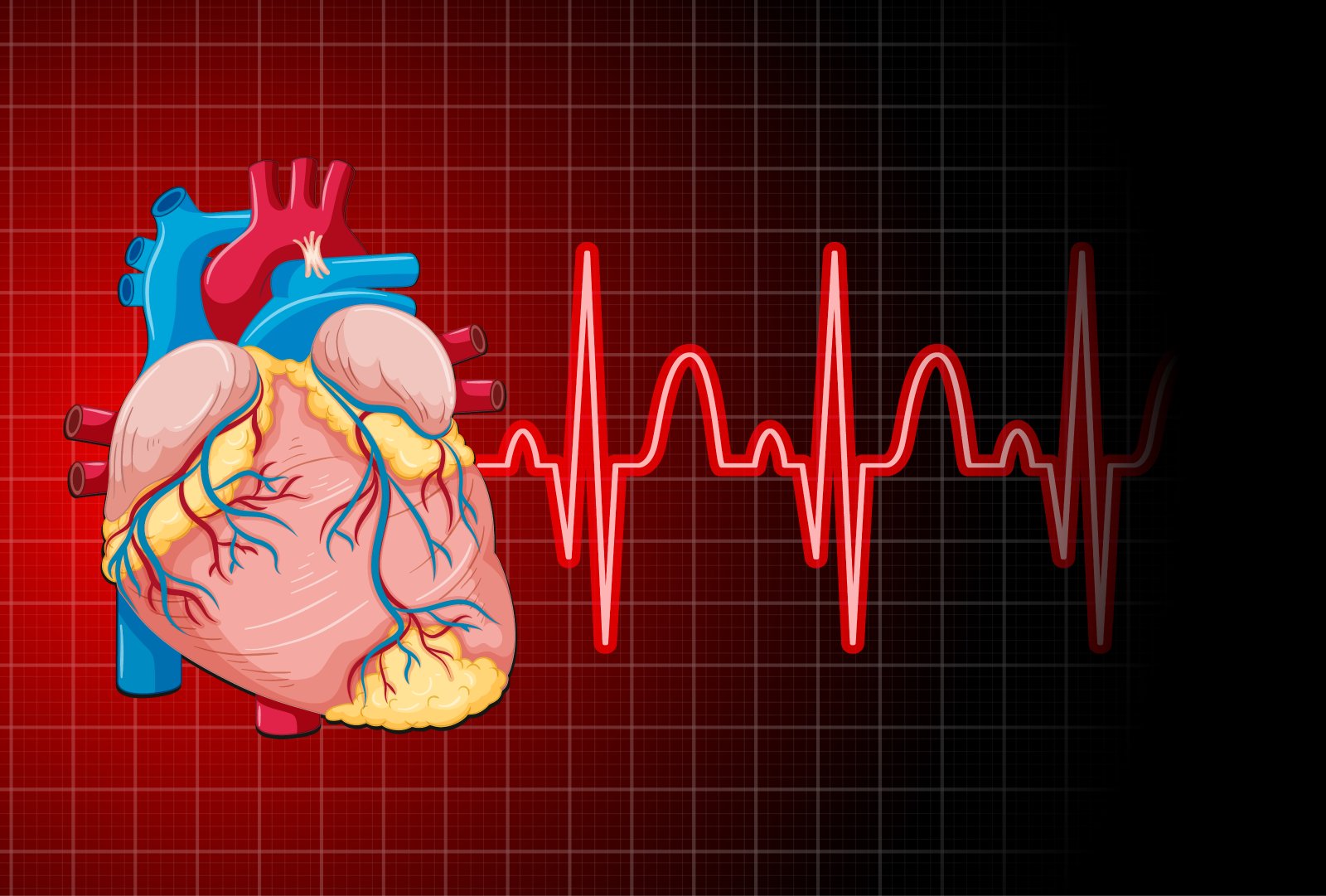
What Is an Irregular Heartbeat?
An irregular heartbeat, also called arrhythmia, means your heart does not beat in a steady pattern. Sometimes, it may feel like your heart is skipping a beat or fluttering. You might notice your heart racing or beating too slowly. For many people, this can feel scary. However, not all irregular heartbeats are dangerous.
Common symptoms include:
Sometimes, you may not feel any symptoms at all. Even so, regular check-ups help catch heart rhythm problems early.
Common Causes of Irregular Heartbeat
Many things can cause an irregular heartbeat. For example, stress or too much caffeine may trigger it. Some people have heart rhythm problems due to other health issues. In addition, certain medicines can affect your heart’s rhythm.
Common causes include:
Risk factors that make arrhythmias more likely include older age, family history, and smoking. According to the CDC, people with diabetes or obesity also have a higher risk.
When to Seek Medical Attention for Irregular Heartbeat
Sometimes, an irregular heartbeat is harmless. However, you should see a doctor if you notice symptoms that do not go away. For instance, seek help if you feel chest pain, faint, or have trouble breathing. These signs may point to a serious problem.
It is important to get medical care right away if you:
Early care can prevent bigger problems. In many cities, you can find clinics or hospitals with ECG testing for fast answers.
How an ECG (Electrocardiogram) Works and What It Detects
An ECG, or electrocardiogram, is a simple test that checks your heart’s rhythm. During the test, small sticky patches are placed on your chest, arms, and legs. These patches pick up the electrical signals from your heart. The machine then draws a graph showing how your heart beats.
With this test, doctors can detect:
According to the American Heart Association, ECG for arrhythmia is safe and painless.
When ECG Is Recommended for Irregular Heartbeat
Doctors often suggest an ECG if you have symptoms like palpitations, chest pain, or fainting. Sometimes, even if you do not have symptoms, your doctor may order an ECG if you have risk factors for heart disease. For example, people with high blood pressure or diabetes may need this test.
In some cases, your doctor may want to check how your heart reacts to exercise. For this, a special ECG called a stress test is used. If you live in a rural area, ask your clinic about local ECG access.
What to Expect During an ECG Test
Getting an ECG is quick and easy. First, you will lie down on a table. Next, a nurse or technician will place sticky patches on your skin. These patches connect to wires that lead to the ECG machine. Then, you need to stay still and breathe normally for a few minutes.
Most people do not feel anything during the test. Afterward, you can return to your normal activities right away. The results are often ready the same day.
How ECG Results Guide Further Diagnosis and Treatment
Once the ECG is done, your doctor will look at the graph. If the test shows a heart rhythm problem, your doctor may order more tests. Sometimes, you may need a longer ECG recording at home. In other cases, blood tests or an ultrasound of the heart may be needed.
Depending on the results, your doctor may suggest:
With the right care, many people can manage their heart rhythm problems well.
Lifestyle Tips for Supporting Heart Health and Preventing Irregular Heartbeat
Healthy habits can lower your risk of irregular heartbeat. For instance, eating a balanced diet and staying active help your heart. In addition, managing stress and getting enough sleep are important.
Try these tips for better heart health:
Regular check-ups help catch problems early. The World Health Organization and CDC both recommend these steps for a healthy heart.