What is Deep Vein Thrombosis?
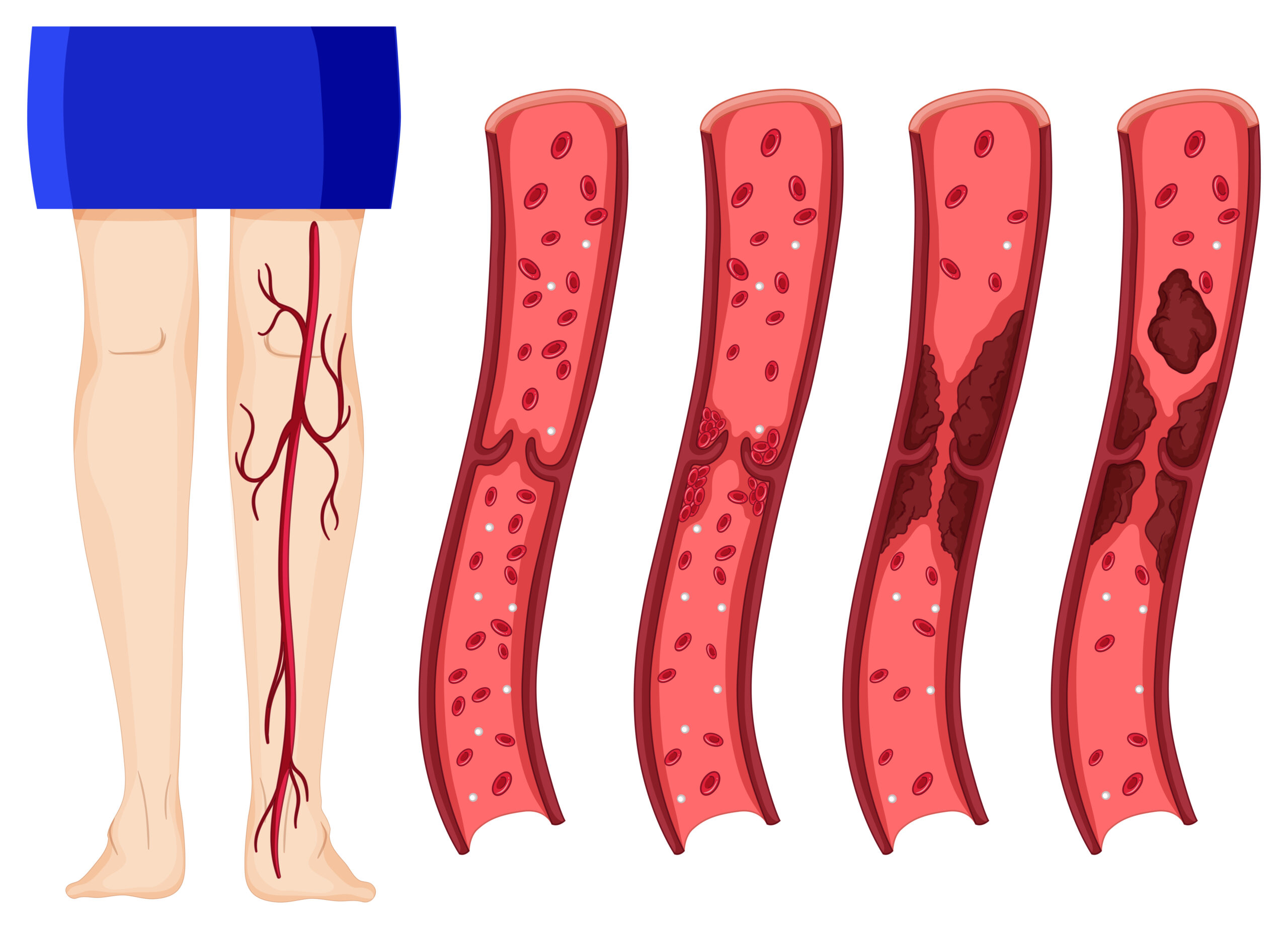
Deep vein thrombosis, or DVT, is a blood clot that forms in a deep vein. Usually, it happens in the legs. However, it can also occur in other parts of the body. DVT can be serious. Sometimes, the clot can travel to the lungs and cause a blockage. This is called a pulmonary embolism. Because of this risk, it is important to know about DVT symptoms and how to prevent deep vein thrombosis.
Common Symptoms of Deep Vein Thrombosis
Many people with DVT may not notice any symptoms at first. Still, some signs can help you spot a problem early. For example, you may notice:
Sometimes, DVT symptoms can be mild. But if you notice these signs, especially after surgery or a long trip, you should see a doctor right away. Early treatment can help prevent serious problems.
Causes and Risk Factors
Deep vein thrombosis happens when blood flow slows down or changes. As a result, a clot can form. Several factors can raise your risk of DVT. For instance, you may be at higher risk if you:
Because these DVT causes and risk factors are common, it is important to know your own risks. That way, you can take steps to protect yourself.
How is Deep Vein Thrombosis Diagnosed?
If your doctor thinks you may have DVT, they will ask about your symptoms. Next, they may check your leg for swelling, pain, or color changes. However, a physical exam alone cannot confirm DVT. Therefore, your doctor may order tests such as:
With these DVT diagnosis tools, doctors can find clots early and start treatment quickly.
Treatment Options for Deep Vein Thrombosis
Treating deep vein thrombosis is important to prevent the clot from getting bigger. Also, treatment helps stop the clot from moving to the lungs. Common treatment options include:
Your doctor will choose the best treatment based on your health and the size of the clot.
Prevention Tips and Lifestyle Guidance
There are many ways to lower your risk of DVT. For example, you can:
By following these tips on how to prevent deep vein thrombosis, you can protect your health and lower your risk.
When to See a Doctor
If you notice sudden swelling, pain, or redness in your leg, you should see a doctor right away. In addition, if you have trouble breathing, chest pain, or cough up blood, call emergency services. These may be signs that a clot has moved to your lungs. Early care can save your life.
Consult a healthcare specialist for personalized advice on deep vein thrombosis.