
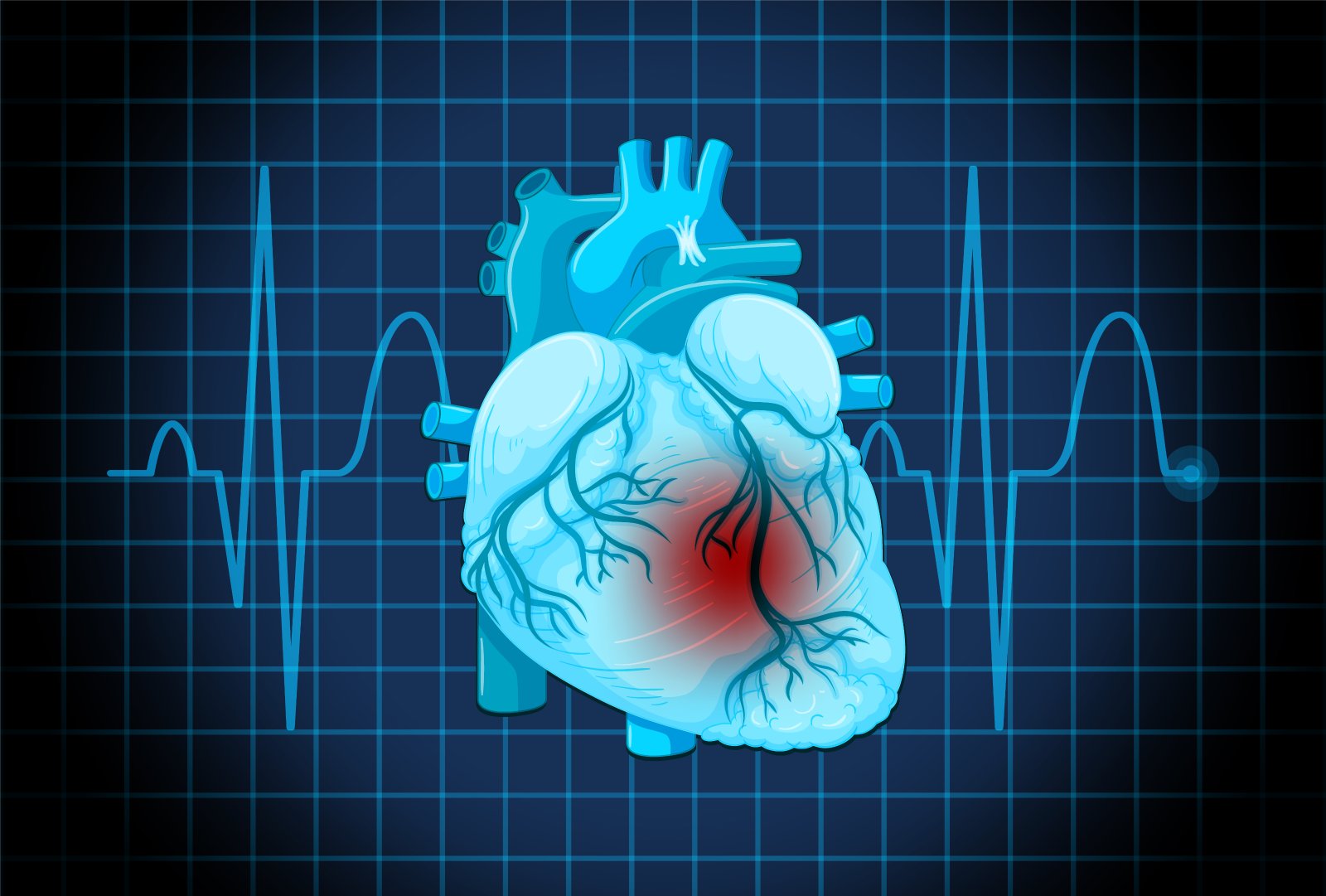
Introduction to EP Ablation
EP ablation is a medical procedure that treats heart rhythm problems. Doctors use it to fix abnormal heartbeats, also called arrhythmias. During EP ablation, a doctor uses special tools to find and treat the areas in your heart causing the problem. As a result, your heart can beat normally again. This heart rhythm treatment is safe and effective for many people.
Symptoms and Conditions Treated by EP Ablation
Many people with irregular heartbeats may benefit from EP ablation. Common symptoms that may lead to this procedure include:
Doctors often use EP ablation to treat conditions such as:
For many, these conditions can cause daily problems. However, EP ablation offers a way to improve quality of life.
Causes and Risk Factors for Needing EP Ablation
Heart rhythm problems can happen for many reasons. Some common causes and risk factors include:
Sometimes, the cause is not clear. Even so, doctors can often help with EP ablation.
Diagnosis: How Doctors Decide If EP Ablation Is Needed
First, your doctor will ask about your symptoms and medical history. Next, you may have tests such as:
After reviewing your results, your doctor will decide if EP ablation is right for you. Sometimes, medicines or other treatments are tried first. But if those do not work, EP ablation may be the next step.
The EP Ablation Procedure: Step-by-Step Overview
Many people wonder what happens during an EP ablation procedure. Here is a simple step-by-step overview:
Most EP ablation procedures take two to four hours. You may go home the same day or stay overnight.
Recovery and Aftercare
After EP ablation, you will rest for a few hours. Most people can walk the same day. However, you should avoid heavy lifting for a few days. Your doctor will give you instructions about medicines and activity. Some people feel tired or have mild chest discomfort. These symptoms usually go away within a week. If you notice swelling, bleeding, or severe pain, call your doctor right away. For most, recovery is smooth and quick.
Benefits and Potential Risks of EP Ablation
EP ablation offers many benefits, including:
However, like any procedure, there are some risks. These may include:
Most people have no serious problems. Still, your doctor will discuss all risks and benefits with you before the procedure.
Prevention and Lifestyle Tips for Heart Health
Even after EP ablation, it is important to keep your heart healthy. Here are some tips:
With these steps, you can help prevent future heart rhythm problems.
Frequently Asked Questions about EP Ablation
For more information, consult a cardiologist for personalized advice about EP ablation and your heart health.