What is Dyslipidemia?
Dyslipidemia means there are unhealthy levels of fats in your blood. These fats include cholesterol and triglycerides. When these levels are too high or too low, your risk for heart disease rises. In the United States, dyslipidemia is common. Many people do not know they have it because it often causes no symptoms at first. However, early detection is important. Managing dyslipidemia can help prevent heart attacks and strokes.
Causes of Dyslipidemia
There are many dyslipidemia causes. Some are related to lifestyle, while others are genetic. For example, eating foods high in saturated fat can raise cholesterol. But, some people inherit genes that make them more likely to have high cholesterol, even if they eat healthy foods. Other causes include:
Sometimes, dyslipidemia happens without a clear reason. Still, knowing the risk factors can help you take action.
Symptoms of Dyslipidemia
Most people with dyslipidemia do not notice any symptoms. Often, it is found during a routine blood test. However, if cholesterol stays high for a long time, it can cause problems. For instance, you may develop fatty deposits under the skin or around the eyes. In rare cases, very high cholesterol can cause pain in the legs or chest. But usually, symptoms only appear after serious issues, like a heart attack or stroke, have happened.
How Dyslipidemia is Diagnosed
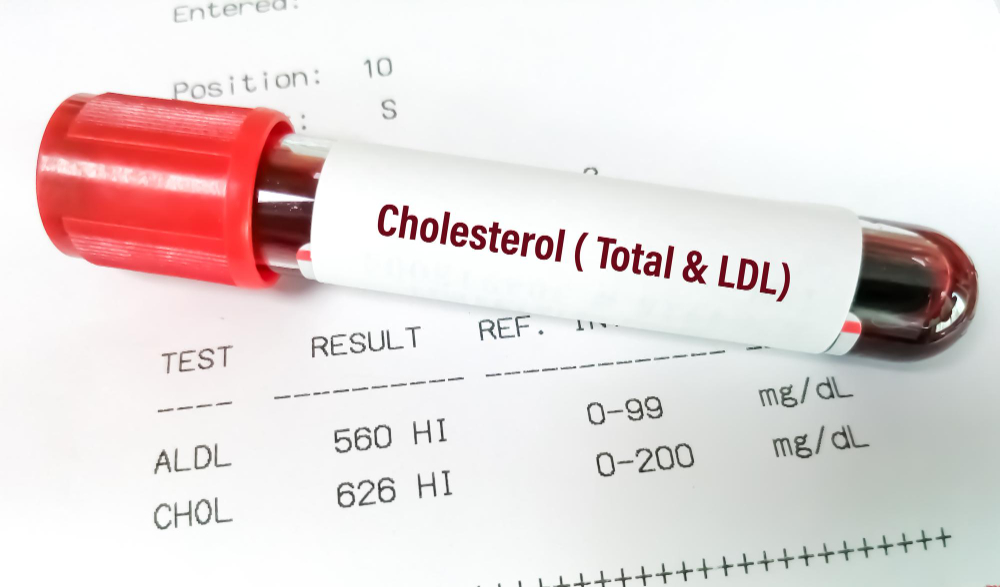
Doctors use a simple blood test to check for dyslipidemia. This test is called a lipid panel. It measures:
Usually, you need to fast for 9 to 12 hours before the test. After the results come in, your doctor will explain what they mean. If your levels are not healthy, you may need more tests or regular check-ups.
Treatment Options for Dyslipidemia
There are several dyslipidemia treatment options. The right plan depends on your age, health, and cholesterol levels. Often, doctors suggest starting with lifestyle changes. For example, eating a healthy diet and exercising more can help. If these steps are not enough, medicines may be needed. Common treatments include:
Sometimes, a combination of treatments works best. Your doctor will guide you on what is right for you.
Lifestyle Tips and Prevention
Preventing dyslipidemia is possible for many people. Even small changes can make a big difference. Here are some tips on how to prevent dyslipidemia:
Additionally, teaching children healthy habits early can lower their risk later in life.
When to See a Doctor
If you have a family history of high cholesterol or heart disease, you should talk to your doctor. Also, if you have diabetes, high blood pressure, or are overweight, regular check-ups are important. Even if you feel healthy, a blood test can show if you have dyslipidemia. Early treatment can help prevent serious problems. Therefore, do not wait for symptoms to appear.
For more information, you can visit trusted sources like the Centers for Disease Control and Prevention (CDC) or the World Health Organization (WHO).
Consult a cardiologist for personalized advice on managing dyslipidemia.