
Introduction
An ECG, or electrocardiogram, is a simple test that checks your heart’s electrical activity. The importance of ECG lies in its ability to spot heart problems early. Because heart disease is a leading cause of illness, knowing about ECG test benefits can help you stay healthy. In this blog, you will learn what an ECG is, why it matters, and when you might need one. Understanding heart health screening can help you make better choices for your well-being.
What is an ECG?
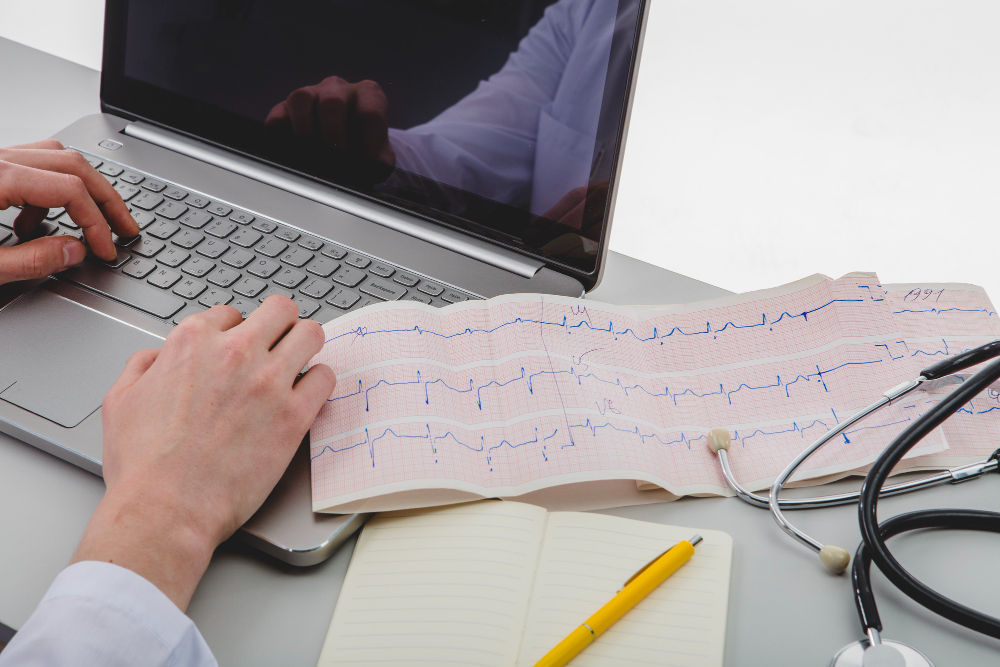
An ECG stands for electrocardiogram. It is a test that records the electrical signals in your heart. Doctors use it to see how your heart is working. During the test, small patches called electrodes are placed on your skin. These patches pick up the signals and show them as lines on a screen or paper. The test is quick, safe, and does not hurt. Most people finish an ECG in just a few minutes.
Why is ECG Important?
ECG tests play a key role in heart health. First, they help doctors find heart problems before symptoms get worse. Early detection can save lives. For example, an ECG can show if your heart is beating too fast, too slow, or in an odd pattern. In addition, ECGs help monitor people with known heart issues. This way, doctors can track changes and adjust treatment. Because heart disease can be silent, regular heart health screening is important for many people.
Common Reasons for ECG Testing
Doctors may suggest an ECG for several reasons. Often, people get an ECG if they have symptoms like:
Sometimes, doctors order an ECG before surgery or as part of a routine check-up. If you have a family history of heart disease, you might need an ECG even without symptoms. In any case, ECG test benefits include peace of mind and early action if needed.
How is an ECG Performed?
Getting an ECG is simple and painless. Here is what usually happens:
After the test, you can return to your normal activities right away. Because the test is quick, you will not need to wait long for results.
What Can an ECG Detect?
An ECG can find many heart problems, such as:
Because ECGs show changes in your heart’s rhythm and shape, they help doctors decide what care you need. According to the World Health Organization, early detection of heart issues can lower the risk of serious problems.
Safety and Comfort
Many people worry about medical tests. However, ECGs are very safe. The test does not use electricity or cause pain. You may feel cool when the patches are placed on your skin, but that is all. There are no lasting side effects. In fact, you can eat, drink, and take your usual medicines before the test unless your doctor says otherwise.
When Should You Get an ECG?
Knowing when to get an ECG is important. You should talk to your doctor if you:
Even if you feel fine, your doctor may suggest an ECG as part of a heart health screening. Early testing can help prevent bigger problems later.
Prevention and Heart Health Tips
Besides getting regular check-ups, you can protect your heart with healthy habits. For example:
Because small changes add up, start with one or two tips and build from there. The Centers for Disease Control and Prevention (CDC) says these steps lower your risk of heart disease.
Conclusion
In summary, the importance of ECG cannot be overstated. This simple test helps spot heart problems early and keeps you on track for better health. If you have symptoms or risk factors, do not wait. Consult a healthcare professional to learn if an ECG is right for you.