Managing dyslipidemia is important for keeping your heart healthy. Dyslipidemia means your blood has too much or too little fat, like cholesterol or triglycerides. When these levels are not balanced, your risk for heart disease can rise. Because of this, balancing cholesterol is key for a healthy life. In this blog, you will learn about managing dyslipidemia, remedies for high cholesterol, and cholesterol management tips you can use every day.
What Is Dyslipidemia?
Dyslipidemia is a condition where your blood has unhealthy levels of fats. These fats include cholesterol and triglycerides. There are two main types of cholesterol:
When these fats are out of balance, your heart and blood vessels can be harmed. Therefore, it is important to keep them in check.
Symptoms and Causes of Dyslipidemia
Most people with dyslipidemia do not notice any symptoms. However, some may develop signs if the condition is severe. Common causes and symptoms include:
Because symptoms are rare, regular check-ups are important.
Diagnosis of Dyslipidemia
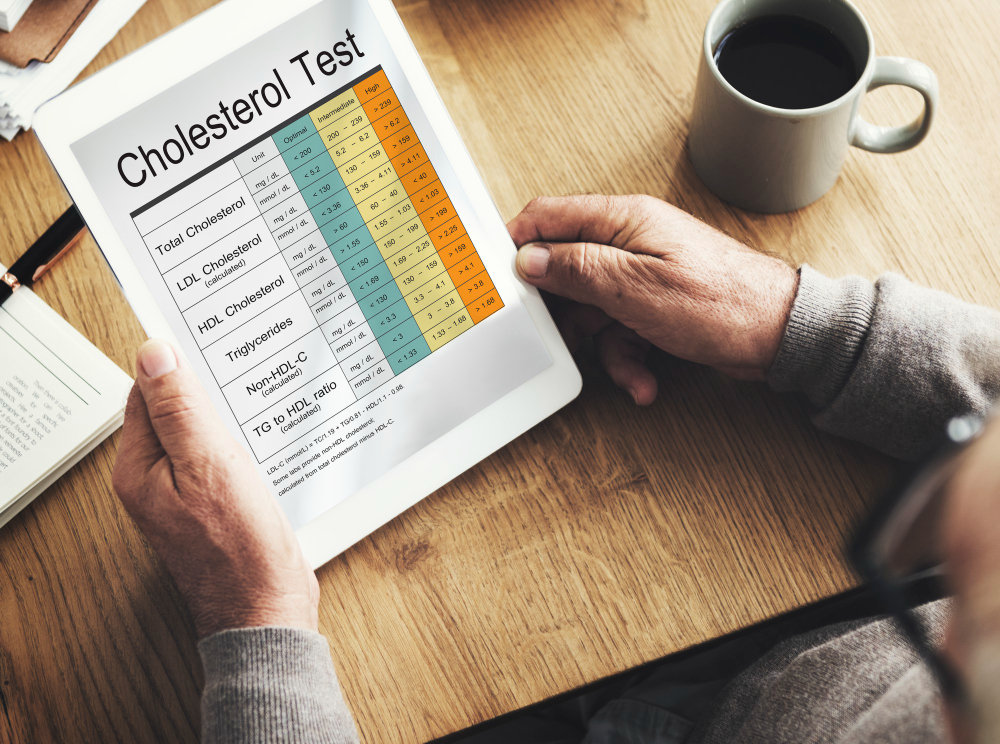
Doctors diagnose dyslipidemia with a simple blood test called a lipid profile. This test measures your LDL, HDL, and triglyceride levels. Usually, you need to fast for 9 to 12 hours before the test. If your results are not normal, your doctor may suggest more tests or lifestyle changes. If you have a family history of heart disease, or if you are over 20, you should get your cholesterol checked every few years.
Remedies for Balancing Cholesterol
There are many ways to balance cholesterol and manage dyslipidemia. Both lifestyle changes and medical treatments can help. Here are some remedies for high cholesterol and tips for how to balance cholesterol naturally:
Always talk to your doctor before starting any new remedy or supplement.
Prevention and Long-Term Management
Preventing dyslipidemia is easier than treating it. You can lower your risk by making healthy choices every day. For example, eat balanced meals, stay active, and avoid smoking. Regular check-ups help catch problems early. Here are some cholesterol management tips for long-term health:
With these habits, you can keep your cholesterol in a healthy range.
When to Seek Medical Help
Sometimes, you may need to see a doctor right away. Watch for these warning signs:
If you notice any of these, seek medical help quickly.
Conclusion
In summary, managing dyslipidemia is vital for heart health. You can balance cholesterol with healthy habits, regular check-ups, and, if needed, medications. For the best results, consult a cardiologist for personalized guidance on managing dyslipidemia.