
Types of Angina and How to Recognise Them Early

What is Angina? Angina is a type of chest pain that happens when your heart does not get enough oxygen-rich blood. Often, people describe angina as pressure, squeezing, or tightness in the chest. Sometimes, the pain can spread to your shoulders, arms, neck, or back. Because angina can be a sign of heart disease, it […]
Surgical Procedures for Congenital Heart Disease: What the General Public Should Know

Understanding Congenital Heart Disease Congenital heart disease means a person is born with a problem in the heart’s structure. These problems can affect how blood flows through the heart and body. According to the CDC, about 1 in 100 babies are born with a heart defect. Some defects are mild, while others need treatment soon […]
Why Cold Weather Increases Your Risk of Heart Attacks and How to Protect Yourself

Introduction Many people do not realize that cold weather heart attack risk rises during winter months. When temperatures drop, your body works harder to stay warm. As a result, your heart faces extra stress. This can increase the chance of a heart attack, especially in cold climates or northern regions. Understanding why this happens can […]
Heart Attack Emergency: Immediate Steps and Essential Information

What is a Heart Attack (Myocardial Infarction)? A heart attack, also called a myocardial infarction, happens when blood flow to part of the heart is blocked. This blockage can damage or destroy heart muscle. Usually, a blood clot causes the blockage. Because the heart needs oxygen-rich blood to work, any stop in flow is dangerous. […]
Syncope in Older Adults: Special Considerations for Fainting

Syncope, also called fainting, is a sudden loss of consciousness. It is common in older adults. Syncope in older adults can be a sign of heart problems or other health issues. Because fainting can lead to falls and injuries, it is important to know the causes, symptoms, and treatments. This blog explains what syncope is, […]
Unstable Angina: Causes, Symptoms, and Diagnosis

What is Unstable Angina? Unstable angina is a serious heart condition. It happens when blood flow to the heart suddenly drops. This can cause chest pain, even when you are resting. Unlike stable angina, unstable angina is less predictable. Because it can signal a higher risk of heart attack, it needs quick medical attention. According […]
What Is Pericarditis? Causes, Symptoms, and Diagnosis
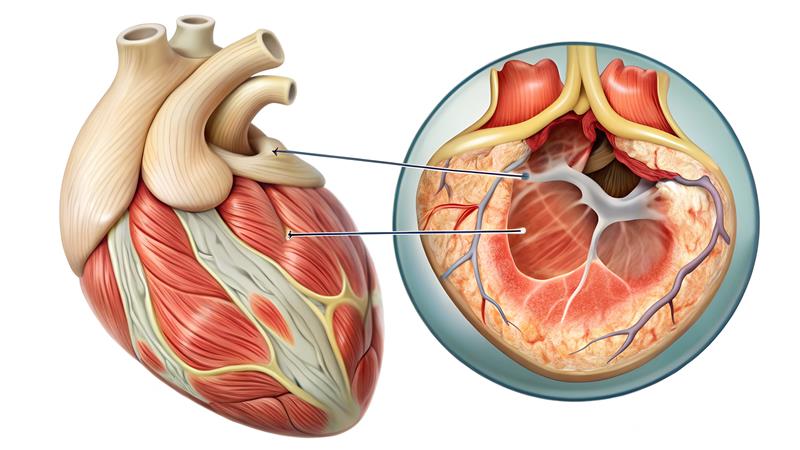
What Is Pericarditis? Pericarditis is a condition where the thin sac around your heart, called the pericardium, becomes inflamed. This sac helps protect your heart and keeps it in place. When it gets swollen, you may feel chest pain or discomfort. Pericarditis is a type of heart inflammation. It can affect people of all ages, […]
Bradycardia Treatment Options: What You Need to Know

What is Bradycardia? Bradycardia means your heart beats slower than normal. Usually, a healthy adult heart beats 60 to 100 times per minute. If your heart beats less than 60 times per minute, you may have bradycardia. Sometimes, this slow heart rate is not a problem. However, it can cause symptoms or health risks for […]
Heart Murmurs in Adults: Risks and Care

A heart murmur is a sound made by blood moving through the heart. In adults, a heart murmur can signal a harmless condition or a more serious heart problem. Because heart murmurs in adults may point to underlying issues, it is important to understand their risks and care. This guide explains what a heart murmur […]
Complications of Uncontrolled Hypertension: What Everyone Should Know

What is Hypertension? Hypertension, also called high blood pressure, happens when the force of blood against your artery walls stays high over time. In the United States, nearly half of adults have high blood pressure, according to the CDC. Although many people do not feel any symptoms, uncontrolled hypertension can cause serious health problems. Because […]